| Project | Where the Ashes Sleep |
|---|---|
| Studio | Mattorigus Studios |
| Role | Concept Creator, Writer, Illustrator & Animator |
| Disciplines | Creative Direction, Storytelling, Narrative Design, Illustration, Frame-by-Frame Animation |
| Technology | Scriptorium Engine |
| Scope | 2-week production, 900+ drawn frames, 2 endings, 2,500+ words |
| Competition | Spooktober 8th Annual Visual Novel Jam (2026) |
| Result | 15th out of 421 entries, shortlisted for nominations |
| Status | Released |
Project Overview
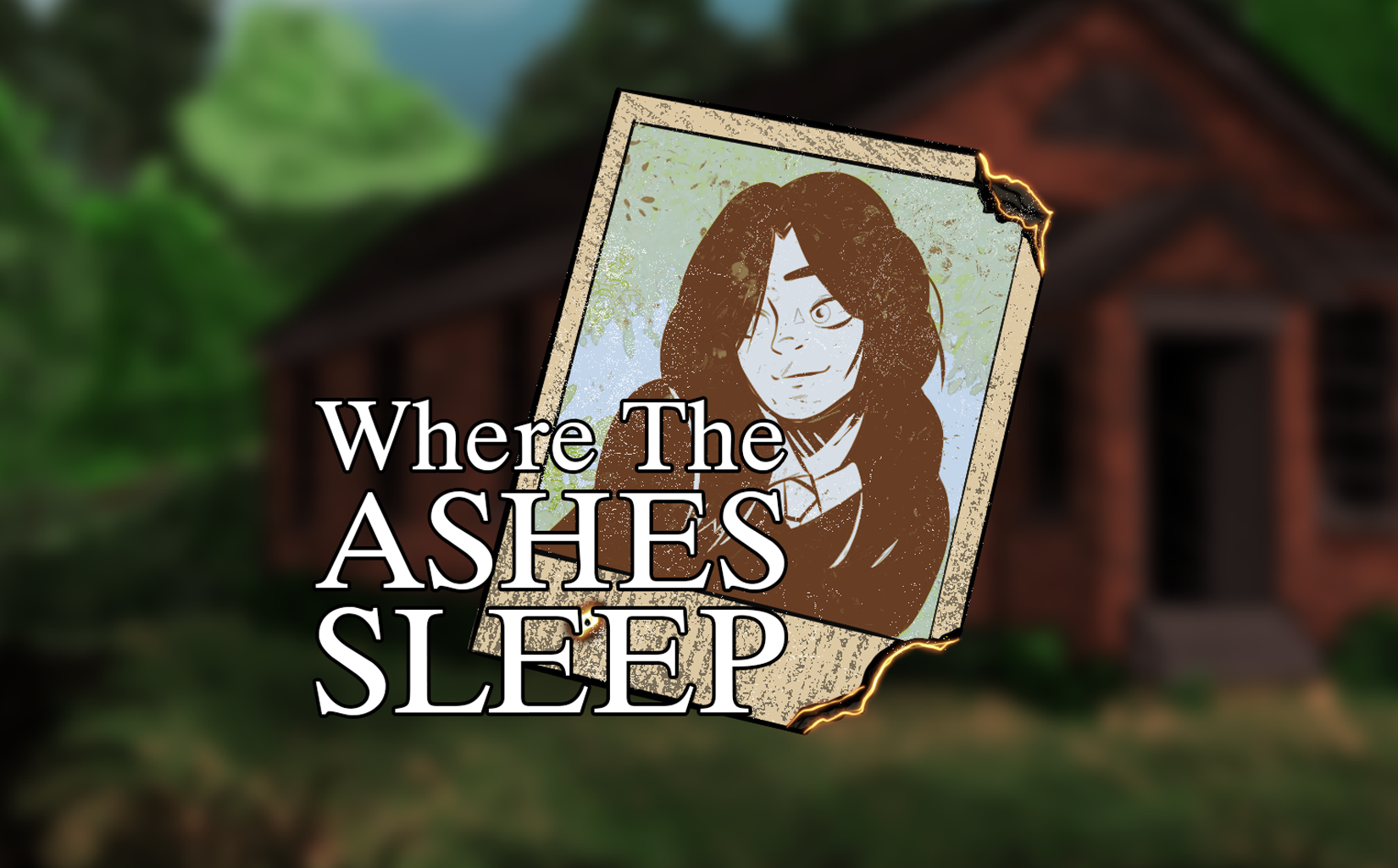
Where the Ashes Sleep is a supernatural visual novel developed by Mattorigus Studios for the Spooktober 8th Annual Visual Novel Jam.
The game follows Berry Amity, a ghost hunter who arrives at an abandoned school to investigate reports of paranormal activity. As she explores the building, uncovers its history and encounters the spirits that remain, she begins to discover a story about memory, grief and letting go.
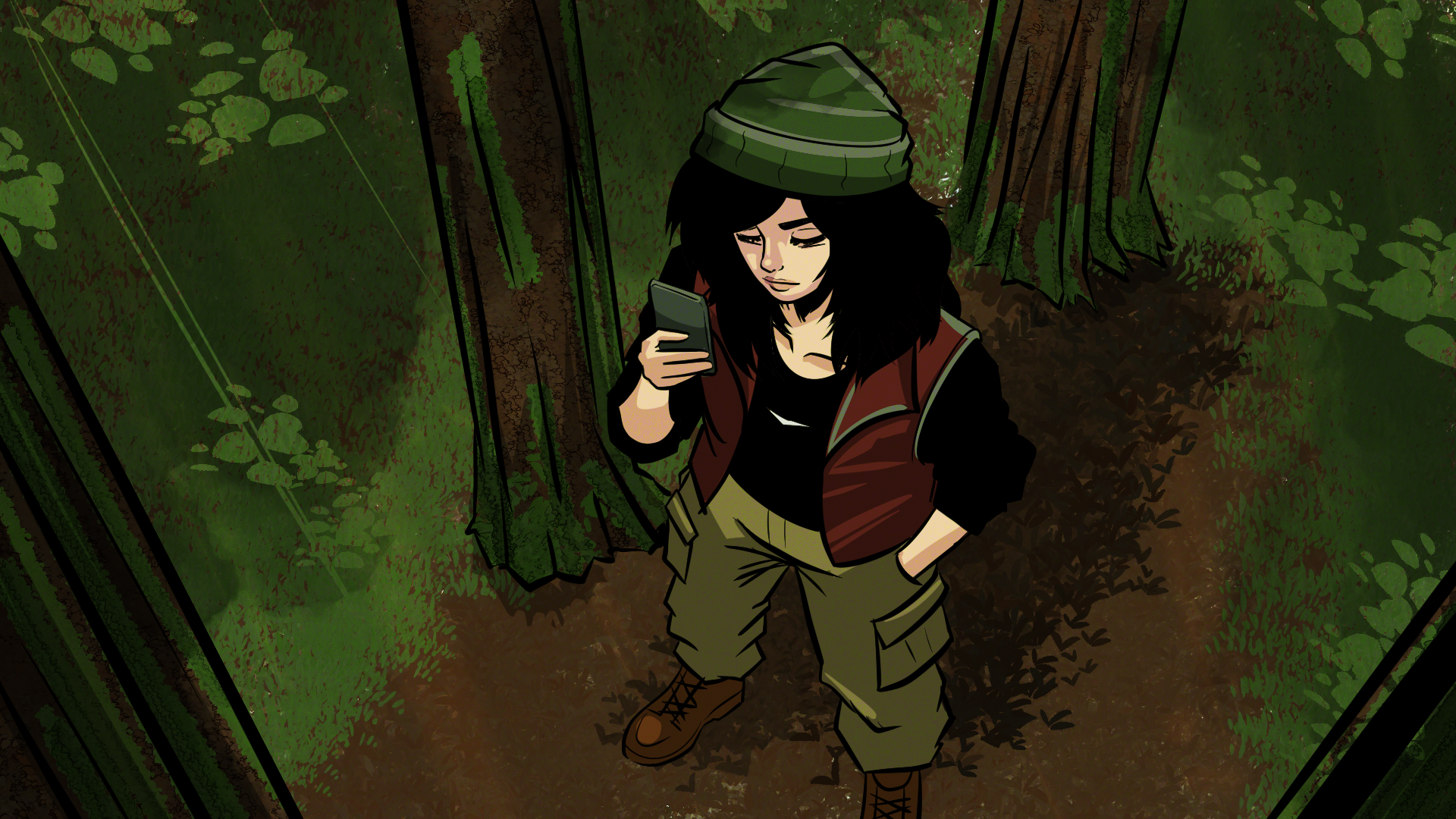
The original concept came from a recurring dream I’ve experienced, which stayed with me long enough that I wanted to explore it as an interactive story. I developed that dream into a complete narrative, writing the story and dialogue before bringing it to life through illustration and animation.
Over an intensive two-week development period, I produced more than 900 individually drawn frames, creating the characters, environments and supernatural elements through traditional frame-by-frame animation.
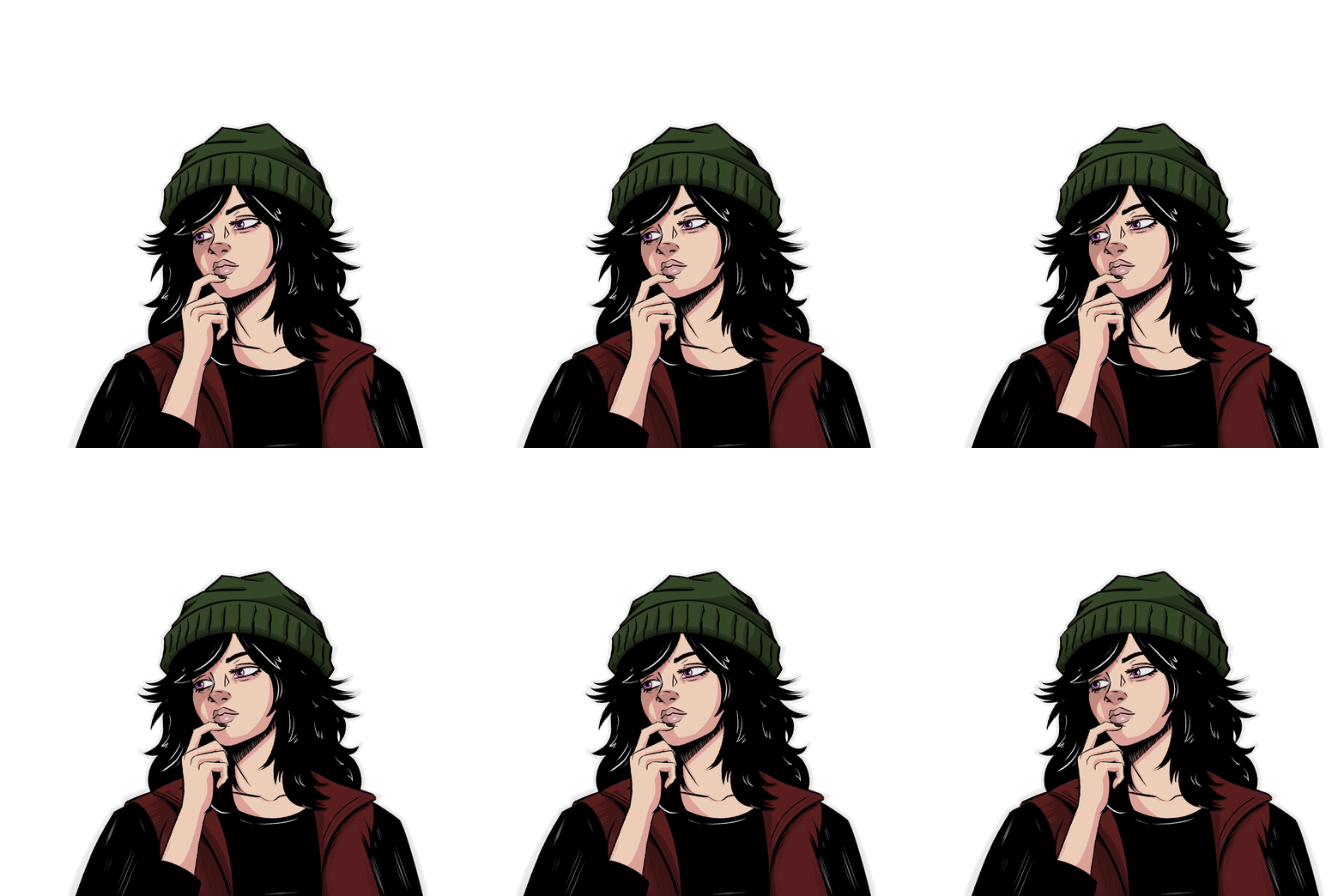
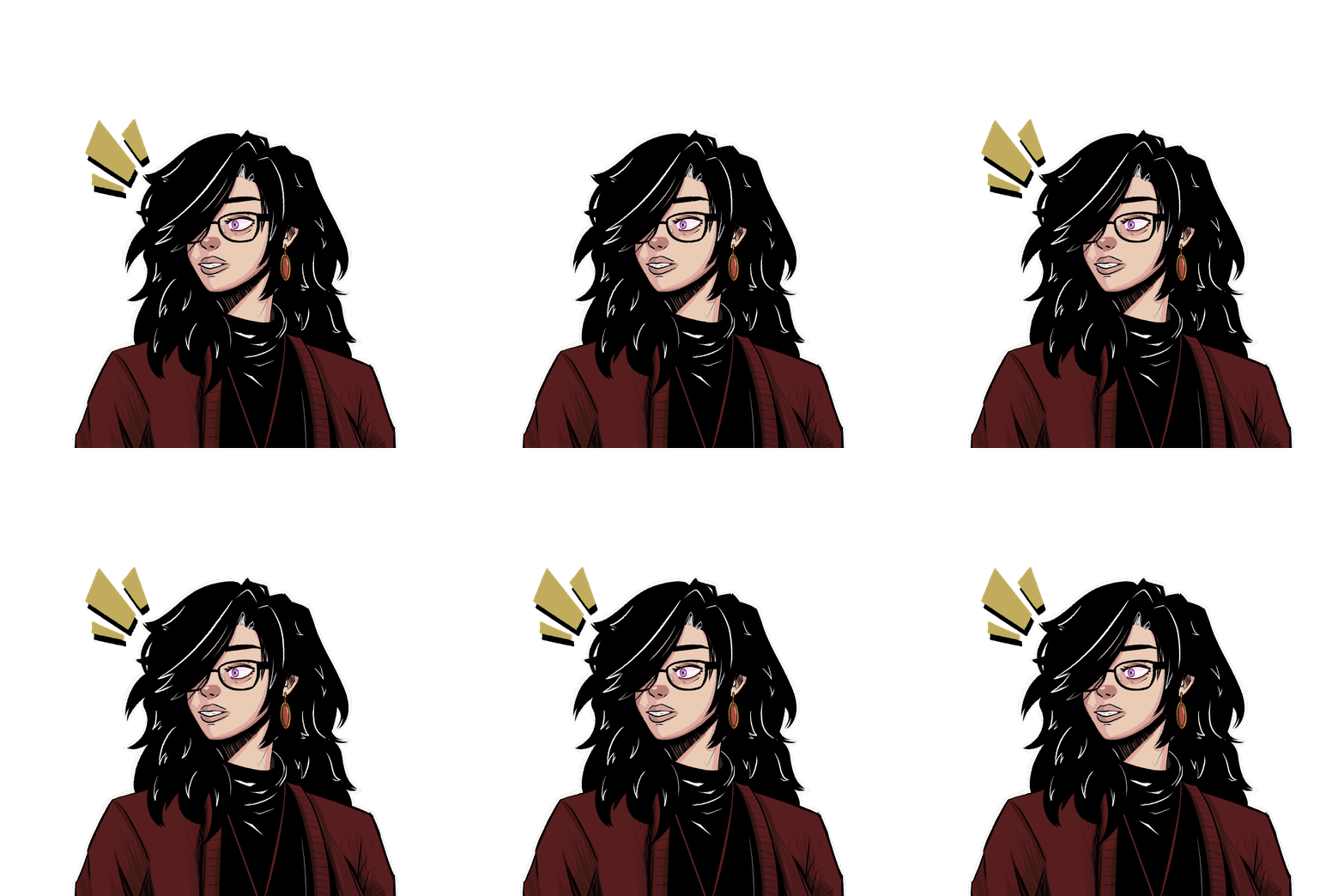
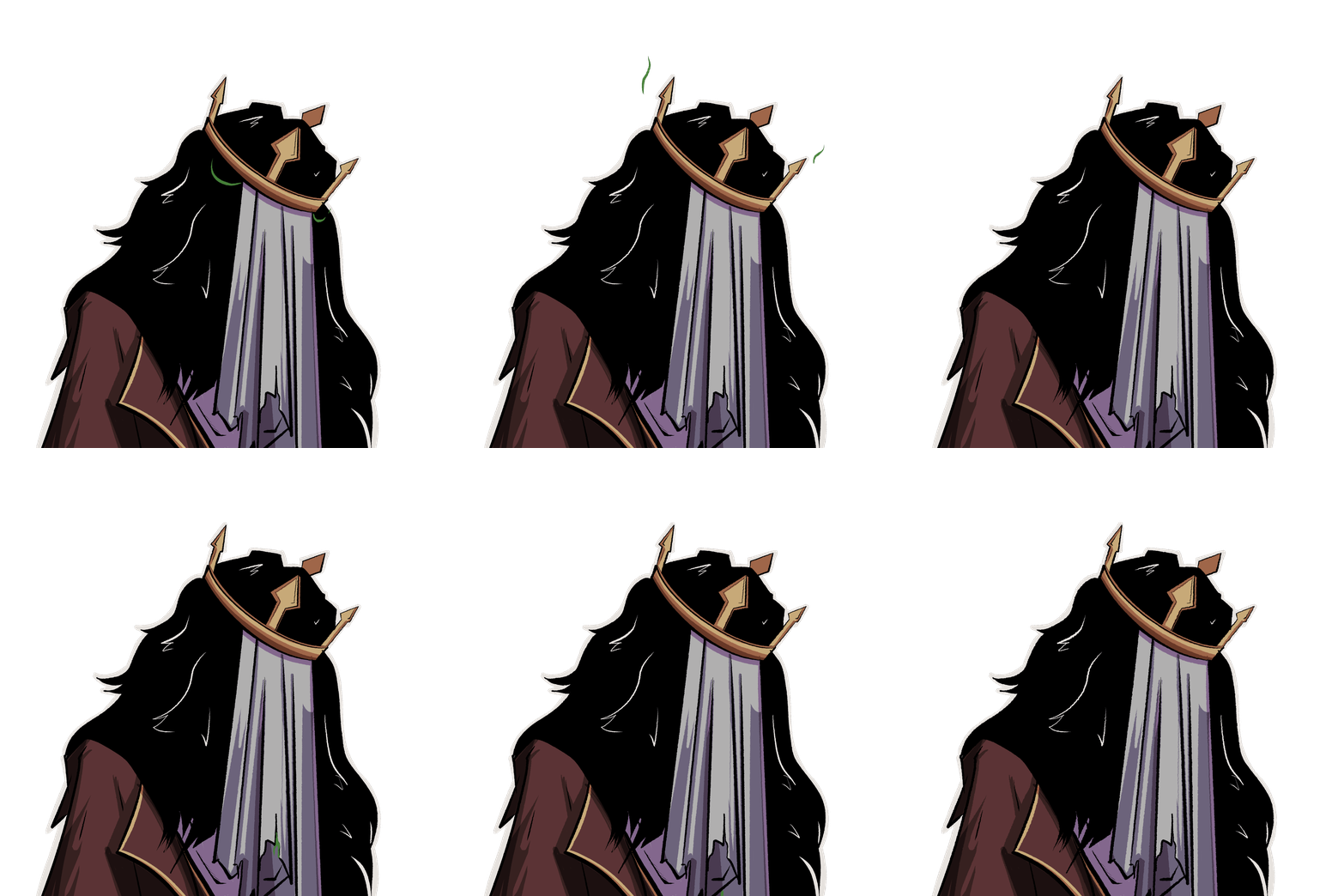
Alongside the creative work, Mattorigus Studios developed an entirely new game engine, the Scriptorium Engine, specifically for the project.
The result was a deeply personal game that resonated strongly with players, placing 15th overall out of 421 entries in the competition and making the shortlist for nominations.
Concept, Writing & Narrative Design
At its heart, Where the Ashes Sleep is a story about the things we leave behind.
The original idea came from a recurring dream I have. There was something about its atmosphere and emotional undertones that stayed with me, and I became interested in exploring those feelings through a narrative experience.
Rather than simply recreating the dream, I developed it into a fictional world with its own characters, history and emotional journey.
The abandoned school provides a contained environment for exploration, with each location offering opportunities to uncover fragments of its history and interact with the spirits that remain.
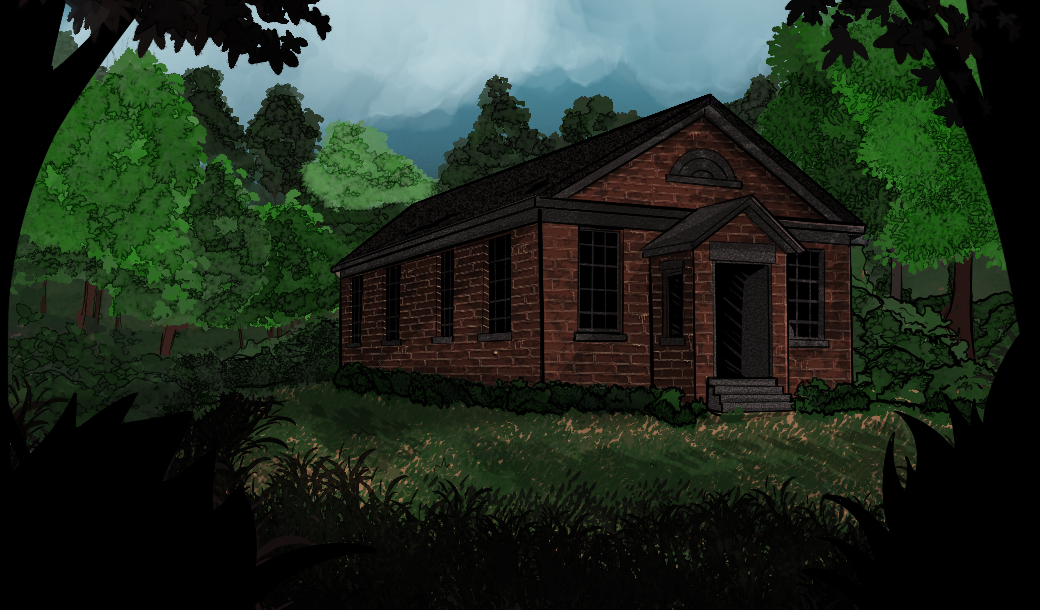
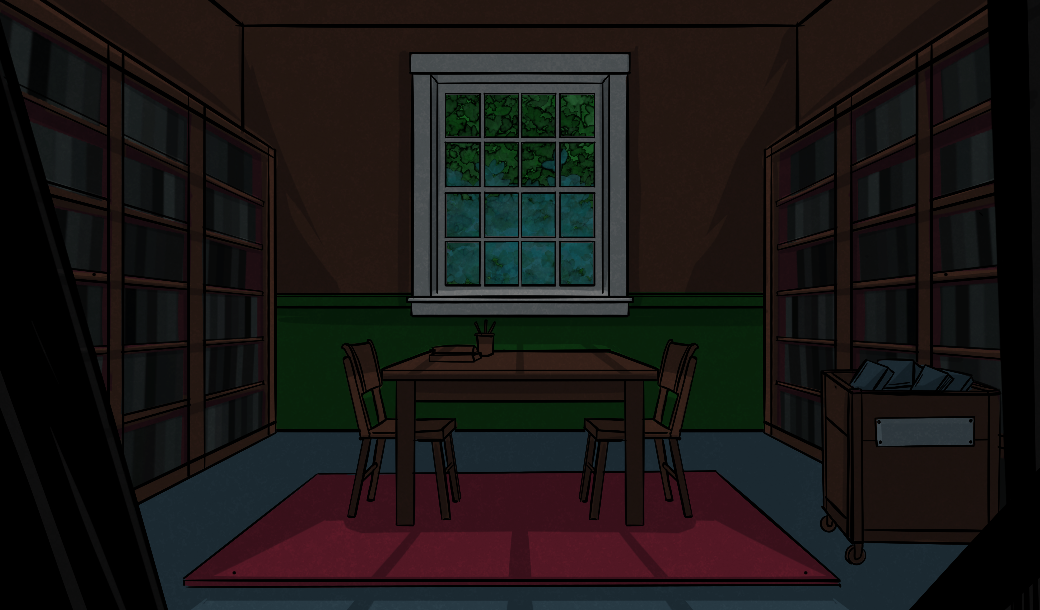
Berry Amity’s role as a ghost hunter gives players a natural reason to investigate the supernatural activity, but the experience gradually shifts towards something more personal.
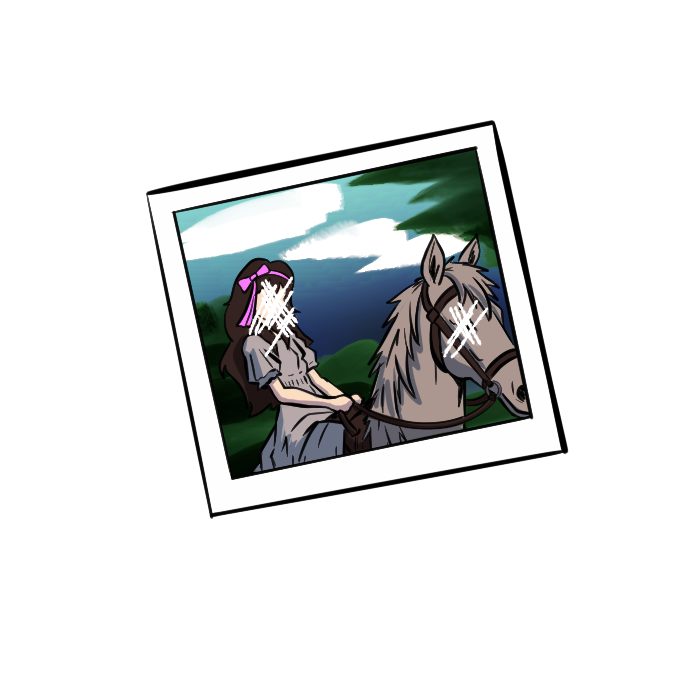
I wrote the story with the intention of treating its ghosts as more than simple horror encounters. Each spirit has a history, emotions and unresolved experiences, allowing the supernatural elements to become a vehicle for exploring more human themes.
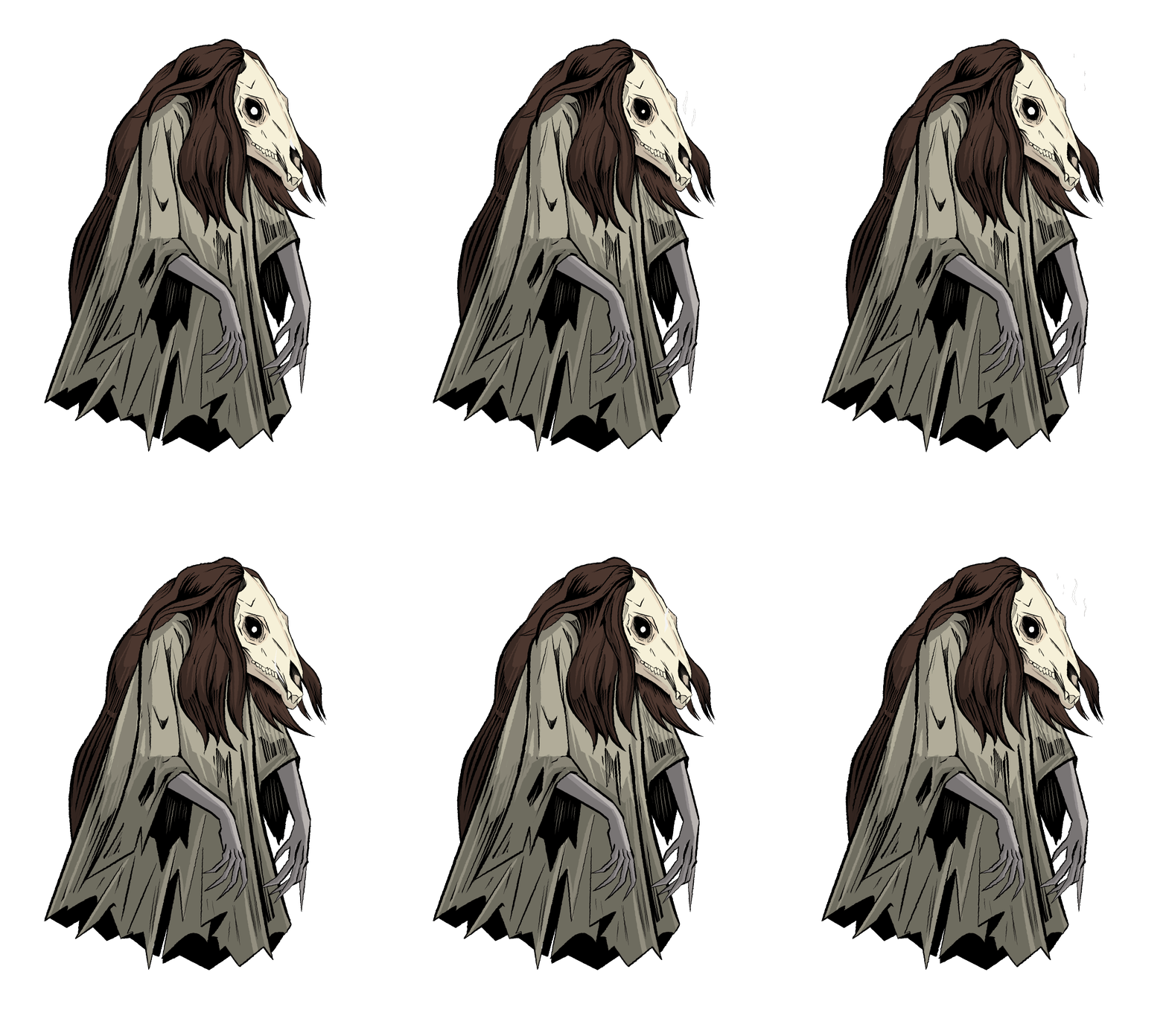
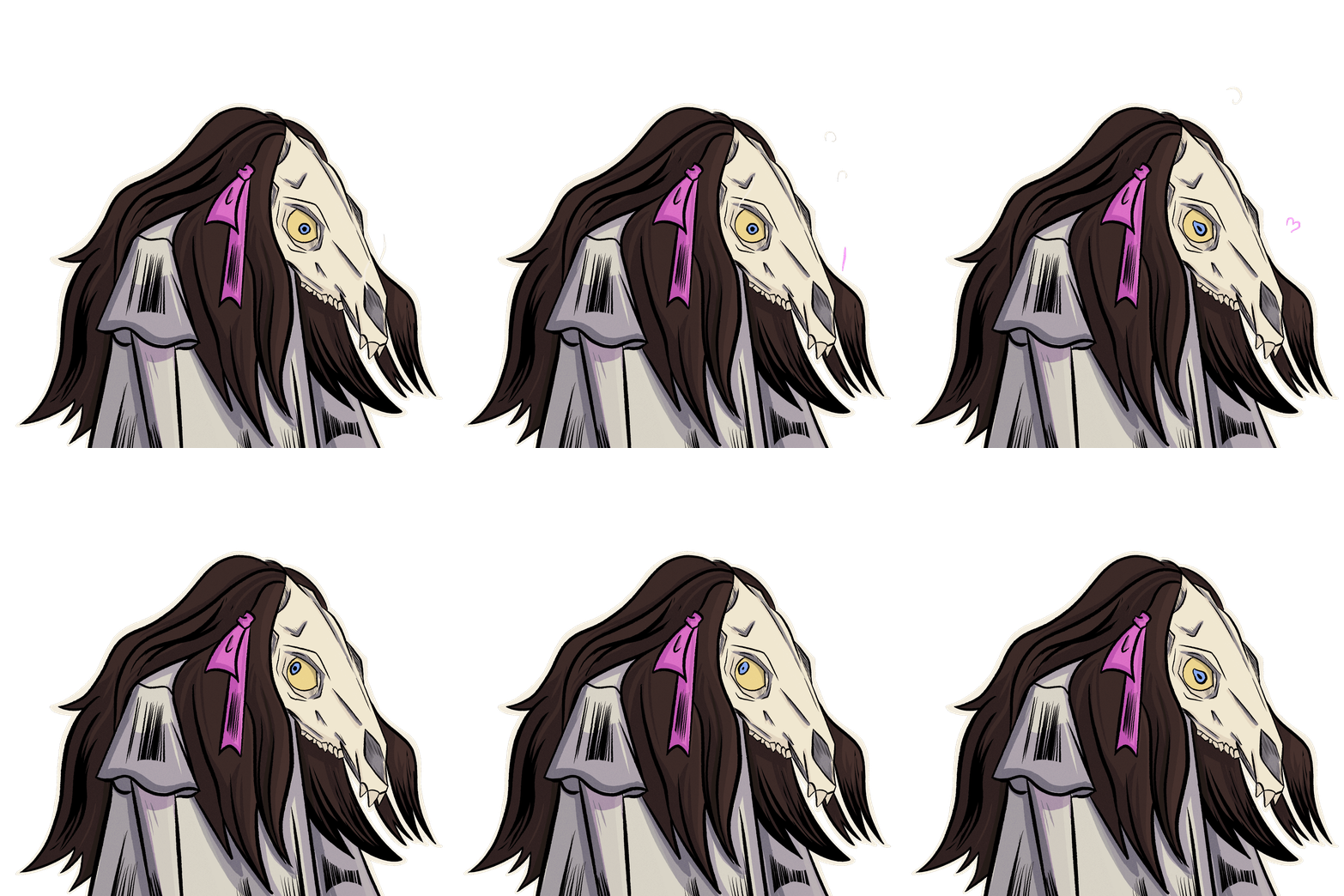
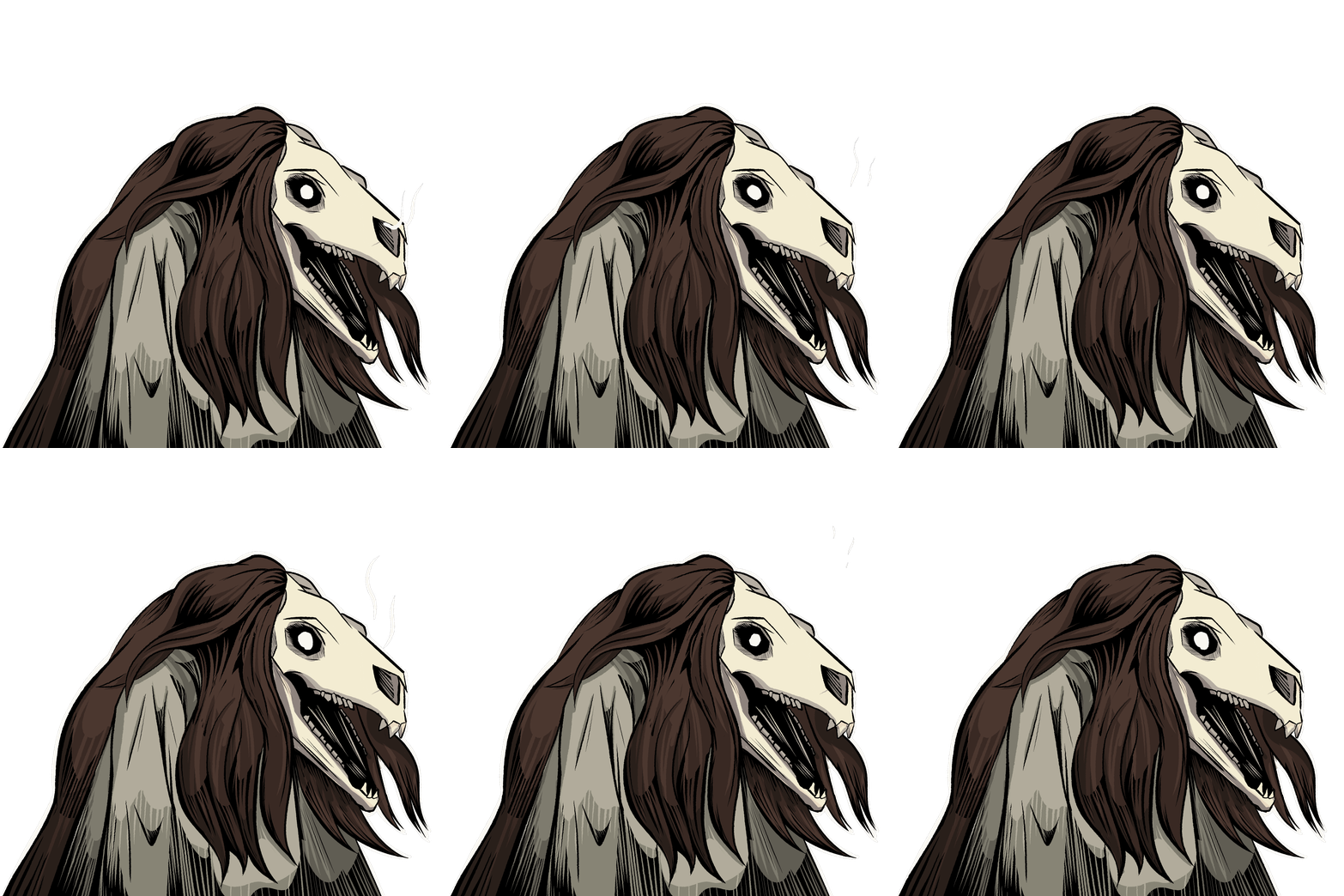
The narrative explores grief, memory, loss and acceptance. I wanted players to come away thinking about the characters and their experiences rather than simply remembering the supernatural elements.
Rather than relying entirely on exposition, I used character interactions, dialogue and environmental discoveries to gradually reveal the history of the school.

Writing Through Player Choice
The game was designed as a short, self-contained visual novel featuring more than 2,500 words of original narrative content and two distinct endings.
I structured the narrative around player decisions, allowing interactions and choices to influence how the story unfolds and ultimately determine which ending the player experiences.
The intention was to give the experience a sense of consequence without making it unnecessarily complex. Even within a short game jam project, I wanted players to feel that their interactions with the characters and the world mattered.
The two endings provide different conclusions to the experience, encouraging players to reflect on the story and potentially revisit it to discover what they missed.
Player Reception & Emotional Impact
One of the most rewarding aspects of Where the Ashes Sleep has been the reception from players.
The response to the game has been incredible, particularly around its narrative and emotional impact. Players have shared how strongly the experience affected them, with individual playthroughs frequently eliciting heavy emotional reactions.
This was especially meaningful to me because the original concept came from something personal. Taking an experience rooted in a recurring dream and transforming it into a story that could resonate with other people was one of the main reasons I wanted to make the game in the first place.
I wanted to create something that stayed with players after they finished it, something that encouraged them to reflect on its characters, their decisions and the emotions behind the story.
Seeing players connect with the narrative in such a strong way has been a particularly rewarding validation of the writing and creative direction.
It also reinforced my belief that interactive storytelling doesn’t need an enormous budget or a lengthy production cycle to have a meaningful emotional impact.
The Next Chapter: A Steam Remaster
Remaster planned
Following the game’s success in the Spooktober Visual Novel Jam and its overwhelmingly positive reception from players, we are planning to revisit Where the Ashes Sleep with the intention of producing a remastered edition for release on Steam.
The original game was created under the extreme time constraints of a two-week game jam. While this resulted in a complete experience that achieved an impressive competition ranking, there is considerable potential to revisit the project with more time and production flexibility.
The planned remaster will provide an opportunity to refine the original experience, improve its presentation and build upon the narrative and visual foundations already established.
Having developed the original concept, written the story and created the illustrations and animations, I’m particularly excited about the opportunity to return to the project and further develop its world.
The Scriptorium Engine also provides a technical foundation that Mattorigus Studios can continue to build upon as the project evolves.
What began as a recurring dream and a two-week creative experiment has the potential to become a more fully realised commercial release.
Reflection
Where the Ashes Sleep is one of my most personally meaningful creative projects.
It began with a recurring dream that I couldn’t quite shake, and developed into an opportunity to explore storytelling, illustration and animation in a way that felt genuinely personal.
Creating the original concept, writing the complete narrative and producing more than 900 drawn frames in two weeks was a significant creative and production challenge. It gave me the opportunity to take an idea from its initial inspiration all the way through to a finished interactive experience.
I’m particularly proud of the relationship between the writing and visual storytelling. Having responsibility for both meant that I could develop the narrative and its visual expression together, using character animation, atmosphere and illustration to reinforce the emotional themes of the story.
The response from players has been the most rewarding part. Knowing that people have experienced such strong emotions through something that began as a recurring dream of mine is difficult to put into words. It has reinforced why I enjoy creating narrative-driven experiences in the first place.
The project also demonstrated the importance of having the right technical foundations. By developing the Scriptorium Engine specifically for the game, Mattorigus Studios was able to create a framework tailored to the creative requirements of the experience rather than working around the limitations of an existing solution.
I’m incredibly proud that we managed to create something so personal and visually ambitious within such a short period, while still delivering a complete game that placed 15th out of 421 entries in a competitive international game jam.
Where the Ashes Sleep demonstrates what can happen when personal inspiration, original storytelling, ambitious visual production and purpose-built technology come together. More importantly, it shows that even a small project created in two weeks can leave a lasting emotional impression on the people who experience it.